Information & Communications Lead for JapanApply Now Pre‑Qualification Checklist Benefits & Perks Responsibilities
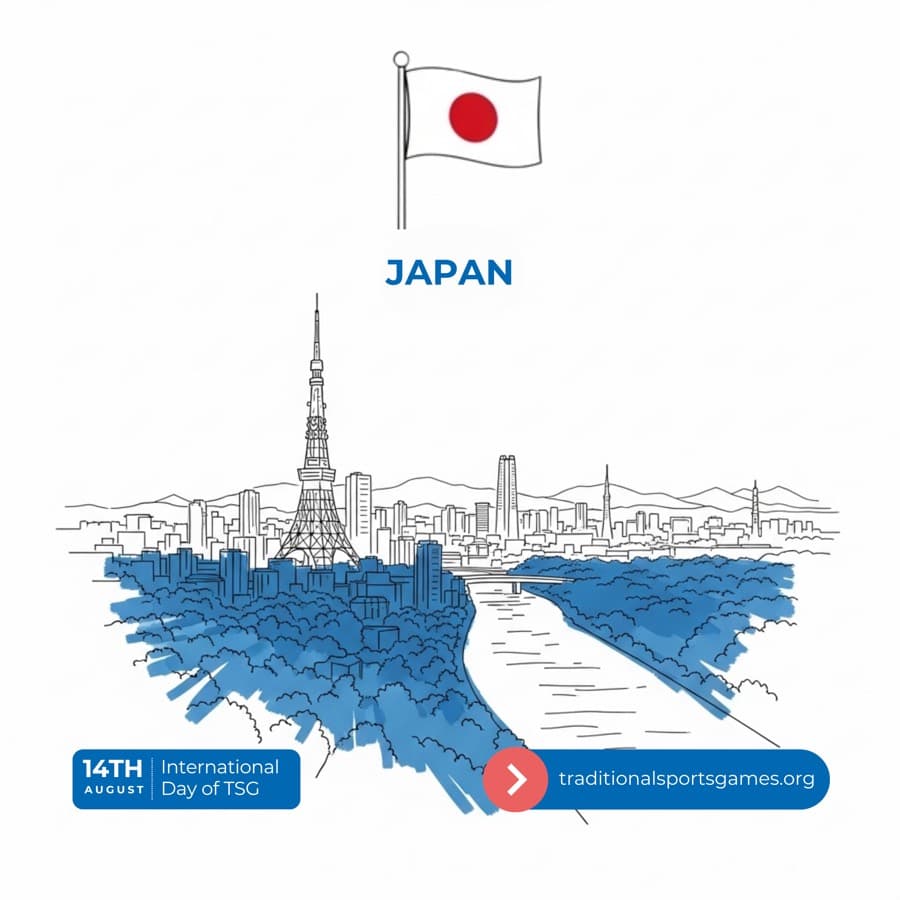
Japan Chapter of ICTSG Overview Japan's rich cultural heritage is vividly reflected through its traditional sports. From the powerful rituals of sumo wrestling to the spiritual precision of kendo and kyudo, Japanese traditional sports remain a vibrant link between ancient customs and modern society. This page introduces Japan’s contribution to ICTSG and highlights how Japanese indigenous games reinforce cultural identity and intergenerational learning. Geographic and Cultural Significance Located at the intersection of East Asia, Japan’s island archipelago and mountainous terrain have fostered unique cultural practices. Traditional Japanese sports, such as sumo and kemari, evolved within Shinto traditions and imperial courts, reinforcing community bonds and moral values. Modern Japan integrates these traditions within contemporary education and sports forums, ensuring their survival. Popular Japanese Traditional Sports & Games
Sumo: Japan’s national sport—ritualistic, rooted in Shinto, and globally recognized as a symbol of Japanese identity Kendo: The disciplined “way of the sword,” derived from samurai kenjutsu, combining martial art with spiritual cultivation Kemari: A cooperative ball game akin to “hacky sack,” practiced in shrines since the Heian period Dakyu: Ancient polo-like equestrian sport dating to the Nara era, once practiced by nobility Board & Card Games: Go, Shogi, and Karuta reflect strategic thinking, with origins in the Silk Road exchanges
Keywords: traditional Japanese sports, Japanese indigenous games. (Repeated above within content for SEO optimization.) Weather and Climate Conditions Japan experiences a varied climate—with four distinct seasons, humid summers, and snow-filled winters in the north. These seasonal shifts deeply influence traditional sports. Sumo tournaments (honbasho) align with seasonal festivals, while kemari occurs at shrine ceremonies in spring and autumn. Today's Japan continues to calendar cultural sports around weather patterns, supporting consistent practice and enhancing tourism appeal. UN Sustainable Development Goals (UNSDGs) Alignment 🇺🇳 Japan’s traditional sports serve multiple UN Sustainable Development Goals:
**SDG 3: Good Health & Well-being** – Martial arts like kendo encourage physical fitness and mental resilience (UN SDG 3). **SDG 4: Quality Education** – Strategic games like Go and Shogi foster critical thinking and are integrated into school programs (UN SDG 4). **SDG 11: Sustainable Cities & Communities** – Kemari and dakyu support cultural tourism and heritage preservation (UN SDG 11).
Historical Relevance and Future Potential Japan’s traditional sports are entwined with national identity and philosophy. Sumo traces back to Heian rituals, kemari to aristocratic pursuits, and dakyu to Samurai martial tradition. The recent UNESCO recognition of sake brewing further amplifies Japan's cultural legacy :contentReference[oaicite:8]{index=8}. Japan Chapter aims to harness this heritage—educating youth, reviving traditional events, and linking global audiences. Profiles of Games Sumo: Full-contact wrestling on a circular ring (dohyō), blending sport and Shinto ritual since the Edo periodKendo: Bamboo sword martial art derived from samurai swordsmanship, focusing on discipline and etiquette Kemari: Keep-the-ball-up game from Heian court, promoting harmony and coordinationDakyu: Ancient equestrian sport similar to polo, played by Samurai classes during the Nara and Kamakura erasGo & Shogi: Strategic board games with centuries-old heritage enriching intellect and cultural exchange Call to Action Join us in preserving and celebrating Japan’s remarkable traditional sports and games. Your support ensures these cultural treasures thrive for future generations. Get Involved Benefits of Joining Support ICTSG
About ICTSG: The International Council of Traditional Sports and Games (ICTSG) is dedicated to preserving, promoting, and revitalizing traditional sports and games as powerful tools for education, peace, and sustainable development.
About Us History Contact
When a sport disappears, it is like a language no longer spoken - its stories, values, and lessons risk being lost forever. When we revive a game, we revive a culture.
Khalil Ahmed Khan - President, ICTSG